APR-blog-800x360px-01

NEW PRODUCT RELEASE

ms100207_001

Fitment Guide:

2.9T EA839 V6

  • 2018+ Audi RS5
  • 2019+ Audi RS5 Sportback
  • 2020+ Audi S6
  • 2020+ Audi S7
  • 2017+ Porsche Panamera
  • 2019+ Porsche Cayenne
  • 2020+ Porsche Macan

3.0T EA839 V6

  • 2020+ Audi A6 Allroad
  • 2019+ Audi A6 Quattro
  • 2019+ Audi A7 Quattro
  • 2019+ Audi A8 Quattro
  • 2020+ Audi Q7
  • 2019+ Audi Q8
  • 2018+ Audi S4
  • 2018+ Audi S5
  • 2018+ Audi S5 Sportback
  • 2018+ Audi SQ5
  • 2020+ Bentley Bentayga
  • 2019+ Porsche Cayenne
  • 2019+ Porsche Macan
  • 2017+ Porsche Panamera
ms100211_010

Features:

  • Dramatically increases the volume of fuel displaced by the HPFP by 37%
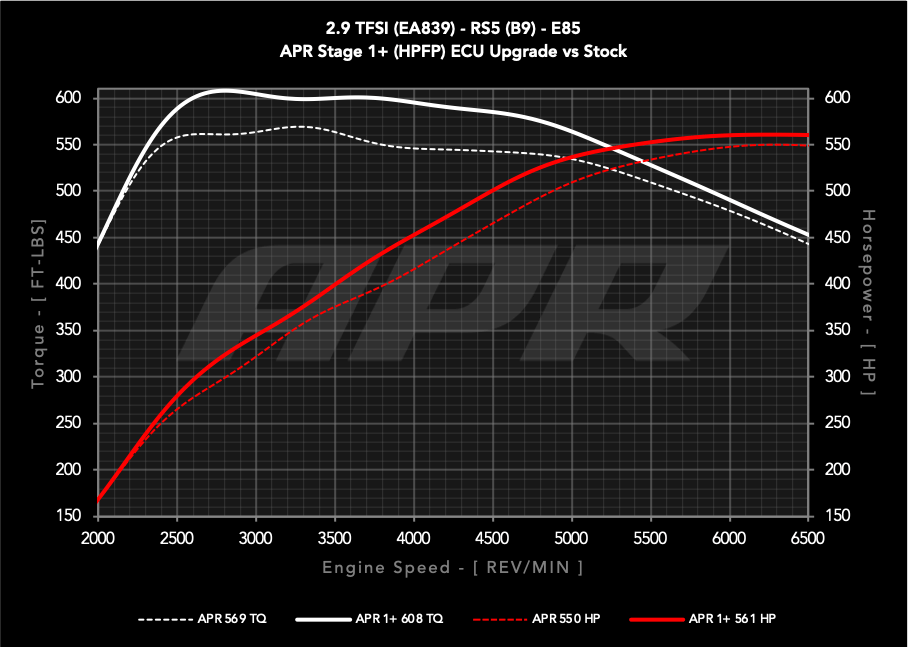
  • +37 AWHP / +50 AWFTLS (B9 2.9T E85 Stage 1 vs 1+ with HPFP)
  • Maintains higher pressures under demanding situations
  • Ideal for high output race cars and track use
  • Fully rebuilt in house
  • Fully machine tested and broken in before shipping
  • Includes a new OEM pump (MS100207
  • Rebuild of your existing pump (MS100211)
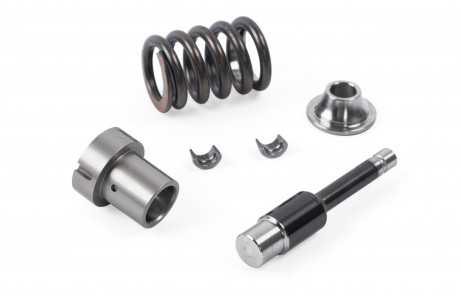
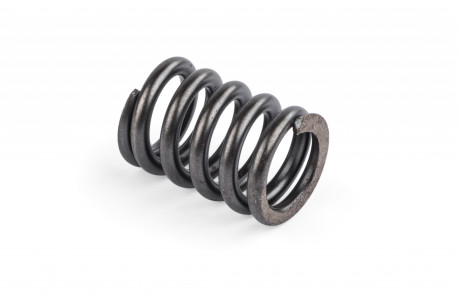
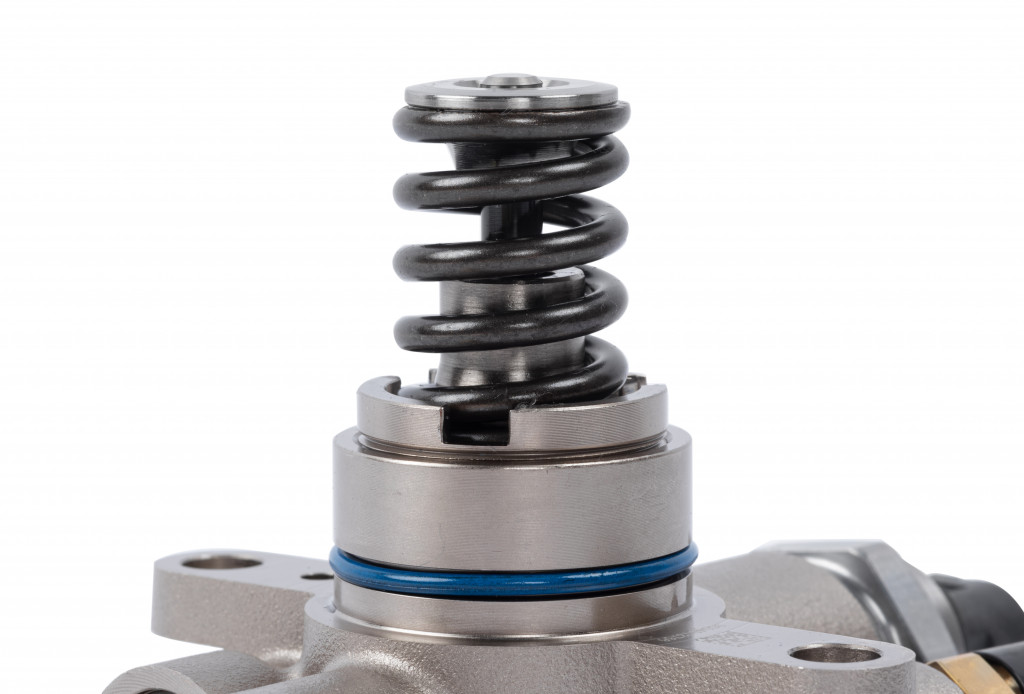
  • Upgraded and weight matched spring
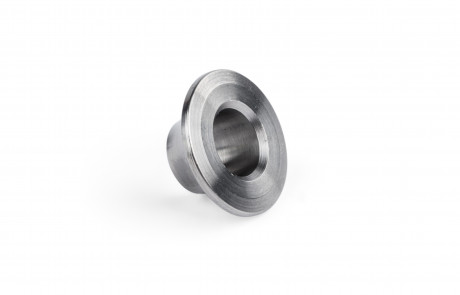
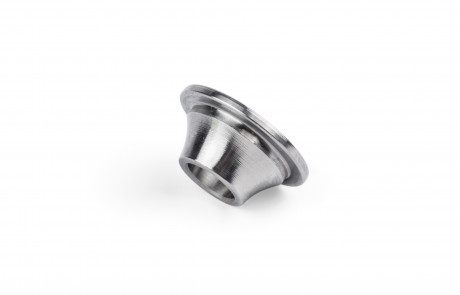
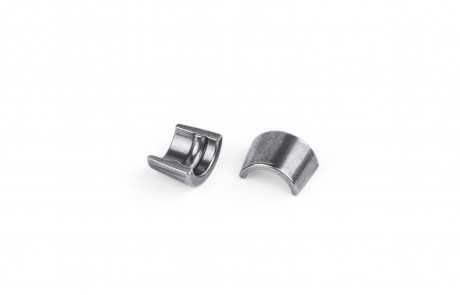
  • Titanium retainer
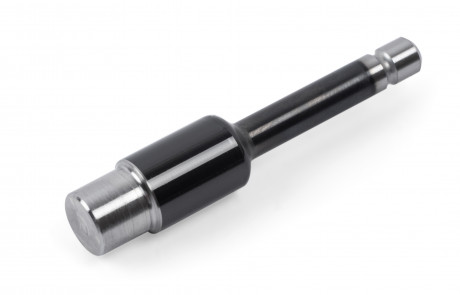
  • DLC coated piston
  • Heat-treated bearing-grade stainless steel material
  • .00004″ dimensional tolerances
  • .00005″ geometrical tolerances

APR High Pressure Fuel Pump (HPFP) – EA839 2.9T & 3.0T

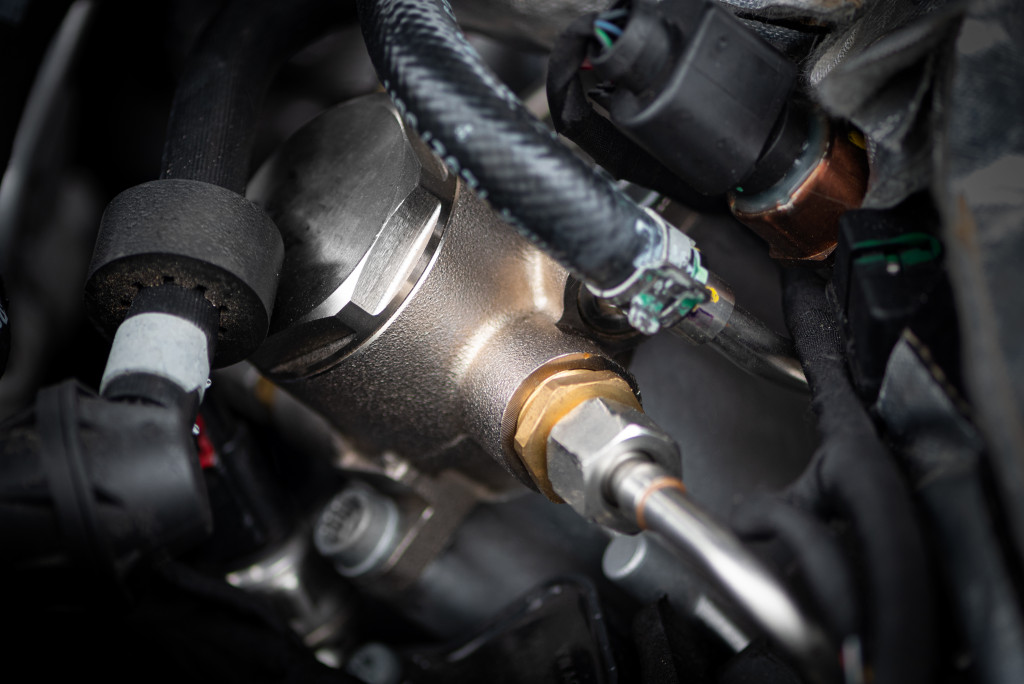
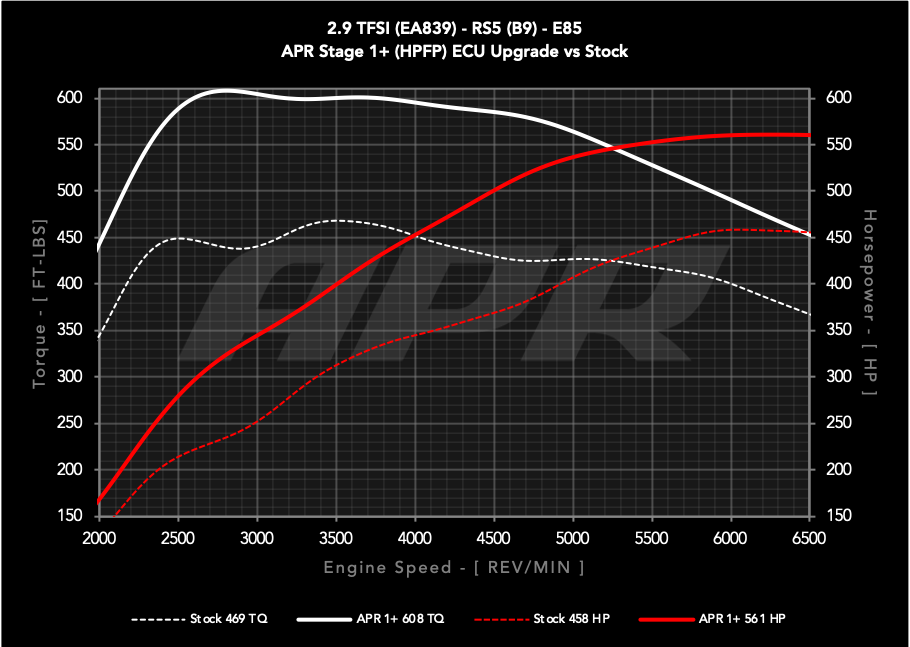
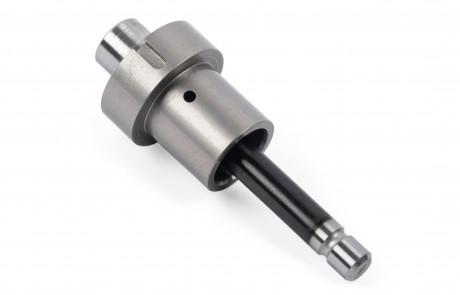
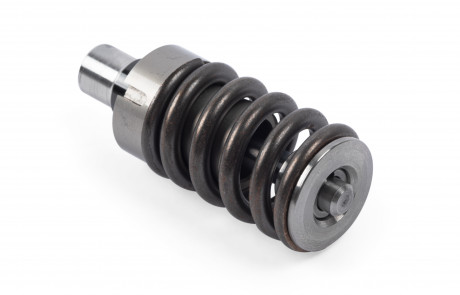
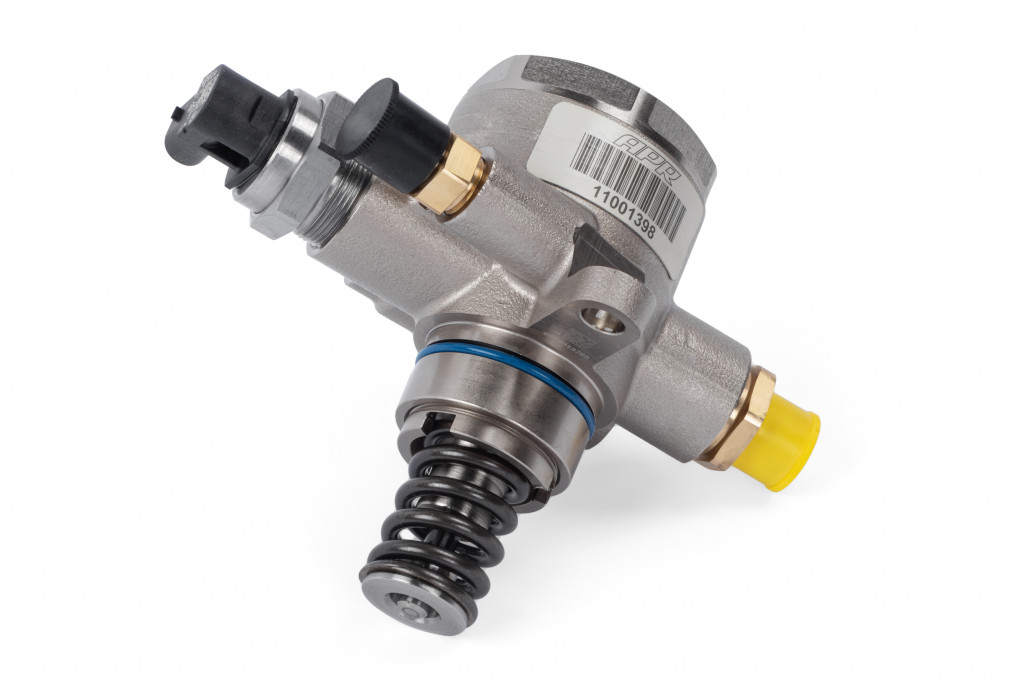
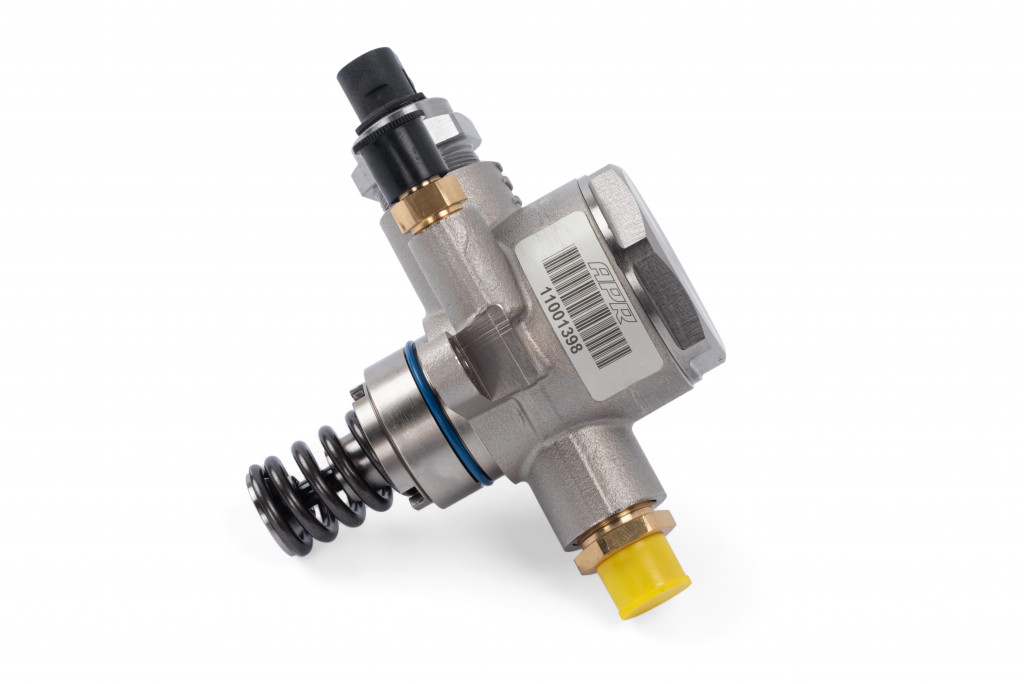
The APR High Pressure Fuel Pump (HPFP) increases maximum volume of fuel the HPFP can deliver by 37% over stock! In doing so, the direct injection fueling system is capable of satisfying fueling requirements set forth by high horsepower setups. This is accomplished by increasing the displacement of the pump using high quality components to exacting tolerances. On the B9 2.9T they achieved an additional 37 AWHP and 50 AWFTLBS over their Stage 1 (E85) ECU Upgrade by adding the pump and running their Stage 1+ (E85) ECU Upgrade!

How the direct injection system works

A low pressure fuel pump (LPFP) in the fuel tank delivers fuel to the high pressure fuel pump (HPFP) at roughly 4 to 6 bar. Fuel pressure is then bumped up to a maximum of 250 bar, depending on factory parts, with the HPFP. Finally, high pressure fuel is delivered to the injectors, which spray directly into the cylinders.
The Problem

The volume of fuel the HPFP pump can displace is directly tied to the displacement of the pump (Internal bore size, and camshaft dictated stroke), and engine speed. The pump is driven off of a lobe on the camshaft. Larger turbocharger systems, and ethanol usage are capable of taxing this system, especially in the mid to lower RPM range where fuel volume is lower.

The APR Solution

They dramatically increase the volume of fuel the HPFP can displace at every RPM by increasing the displacement of the HPFP by 37%. This is accomplished by increasing the bore diameter of the pump’s internal pressurizing cylinder. It’s important to understand, despite the name, a HPFP upgrade is not necessary designed to increase the engine’s fuel rail pressure. The primary goal is to increase the volume of fuel available, which will keep fuel pressure steady even in the most demanding of situations!

High quality components and extreme tolerances

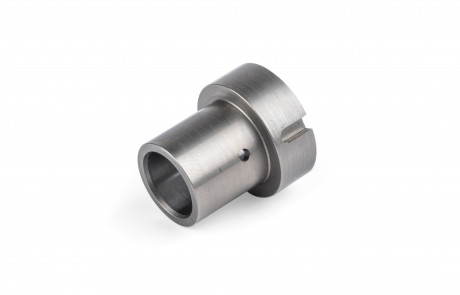
The HPFP internals must be machined to extreme tolerances and installed in a clean environment or the pump can easily fail. Dimensional tolerances on the APR HPFP are as tight as .00004” and geometric tolerances are as tight as .00005”. The plunger and barrel are created from certified and heat-treated bearing-grade stainless steel and the plunger undergoes a special diamond like coating process for exceptional surfaces hardness and ultra-reliable operation. To prevent float associated with altering the plunger’s mass, APR supplies each unit with a properly specified spring. All necessary internal seals are replaced.

Internal Testing

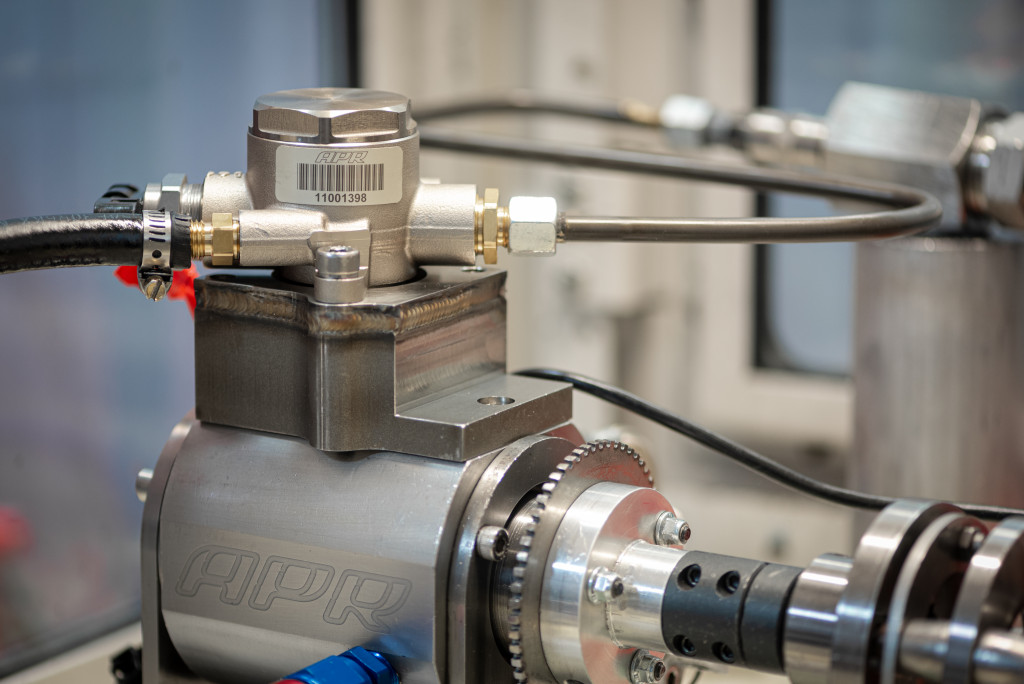
All APR HPFPs are assembled in house under strict assembly guidelines. Each pump is then tested on their test rig to ensure the pumps operate as designed. This step is important for several reasons. It’s critical in determining if a pump has a failure from incorrect install, a leaking seal, or a bad solenoid. Secondly, a seized pump on the vehicle at startup can cause damage to the engine’s camshaft. By testing each pump, they all but eliminate these possibility.

Proven Track Record

APR pioneered HPFP upgrades in the early days of VAG direct injection engines. Soon after, APR became an OEM supplier of HPFP and GDI components to VAG for use in various race cars, racing series, project cars, and concept vehicles. The APR HPFP has been at the center of countless motorsport victories across the globe and has operated with a nearly perfect tract record since the program’s motorsport backed inception in 2006. With tens of thousands of pumps sold, APR has a
wealth of knowledge, and manufacturing expertise necessary to deliver a product that will and has stood the test of time.

Contact us for more information or visit APR