
NEW PRODUCT RELEASE
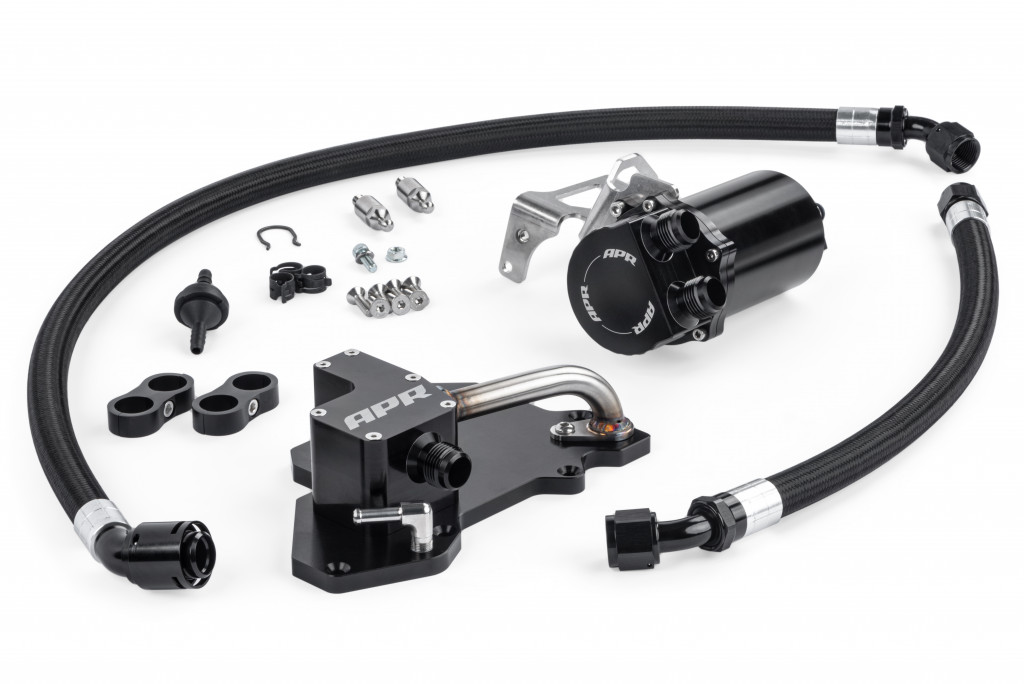
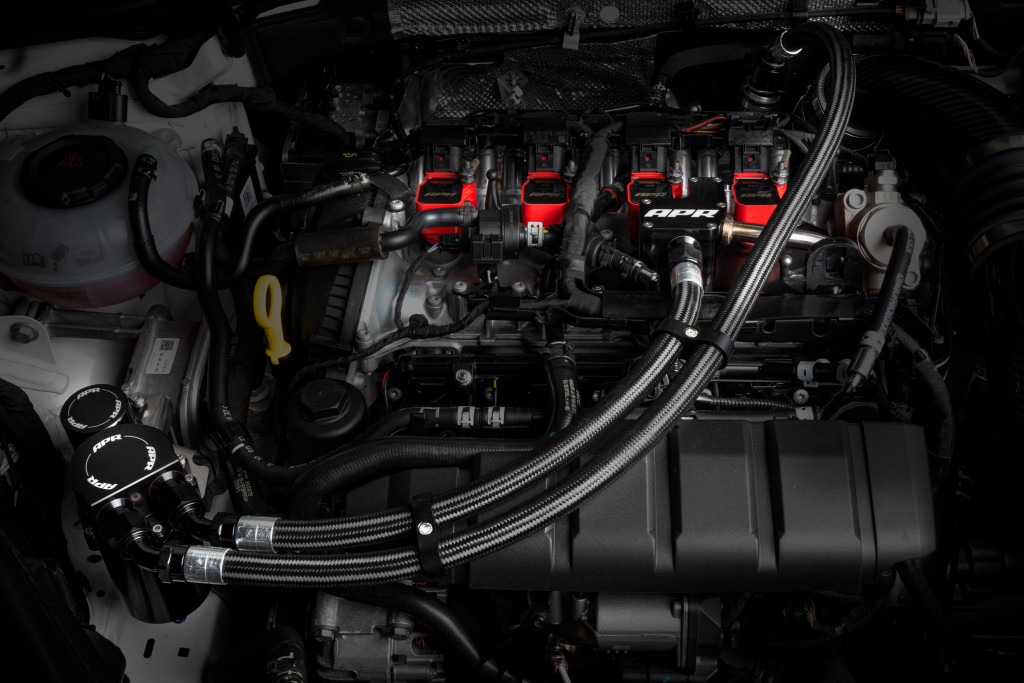
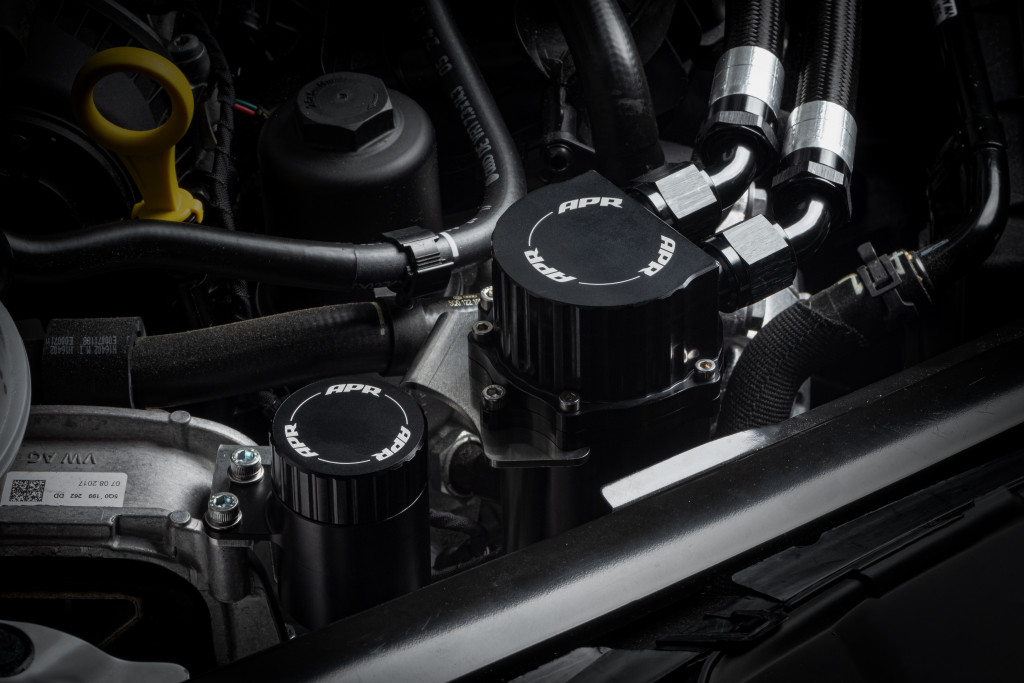
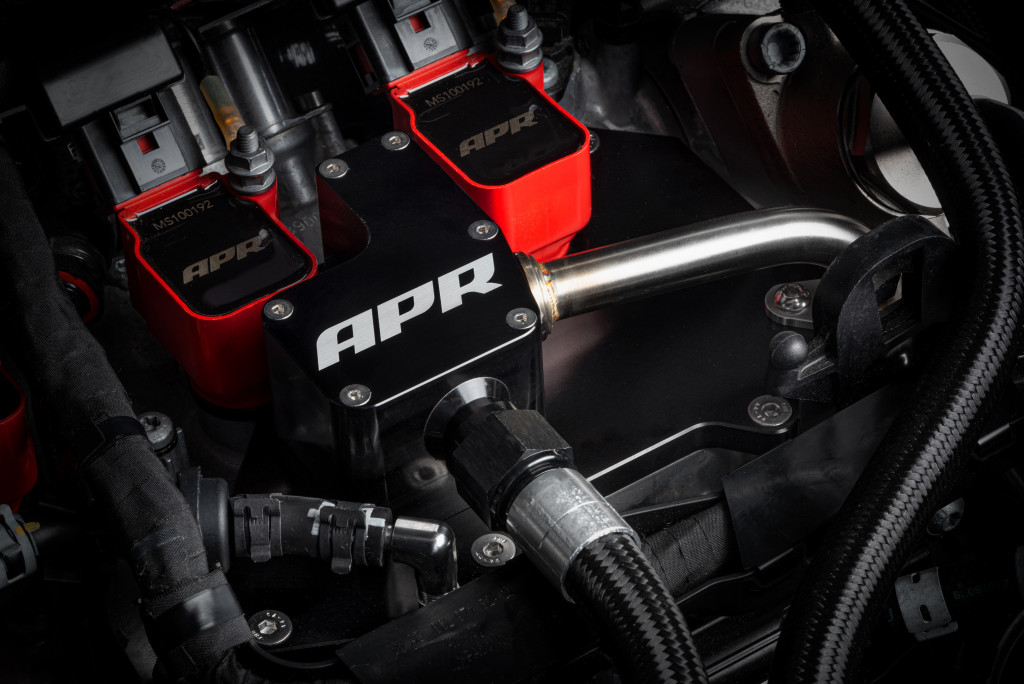
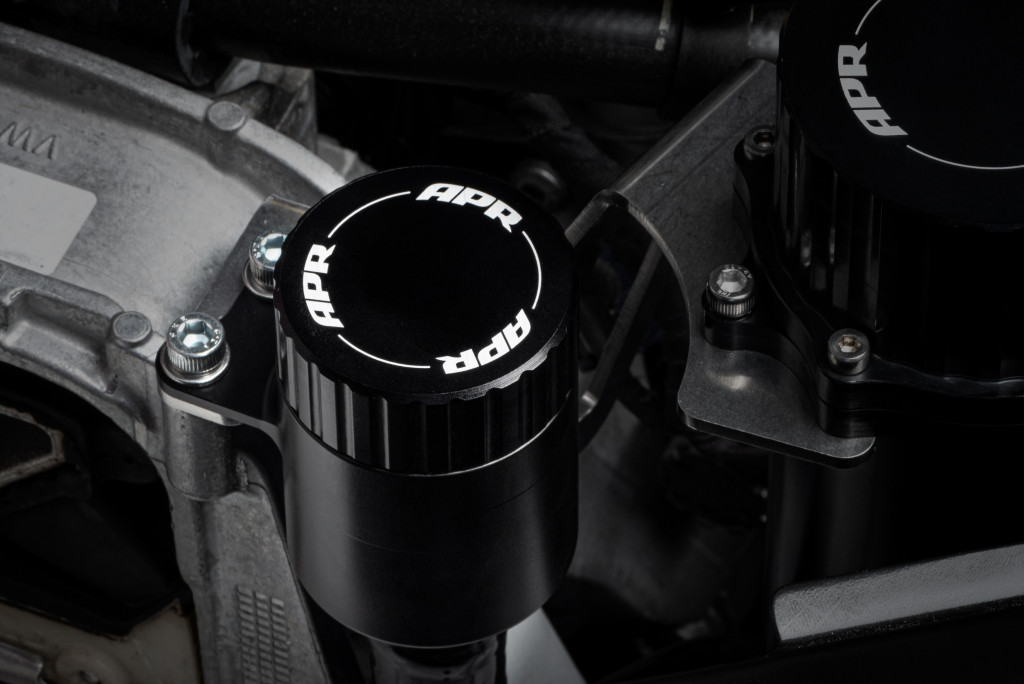
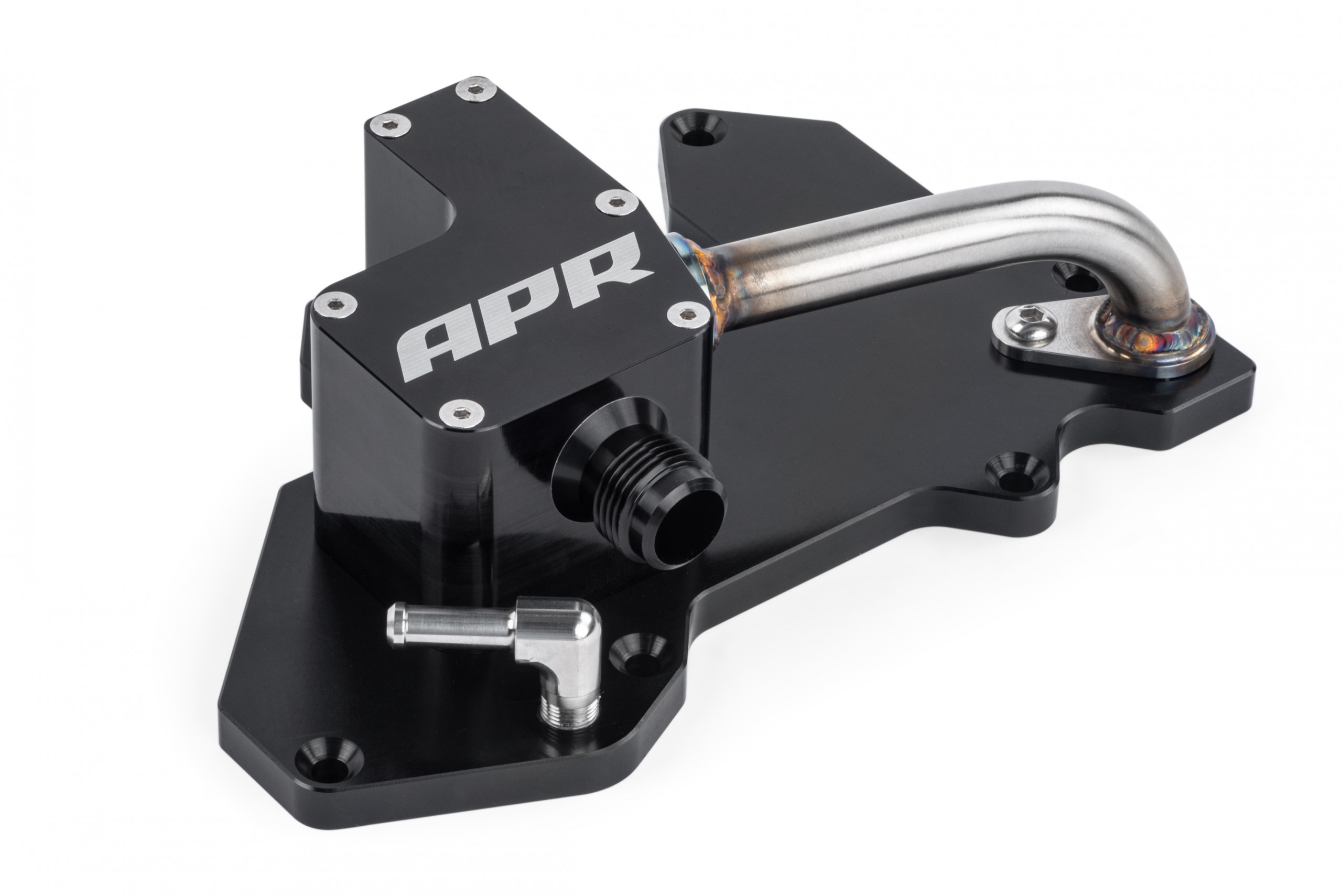
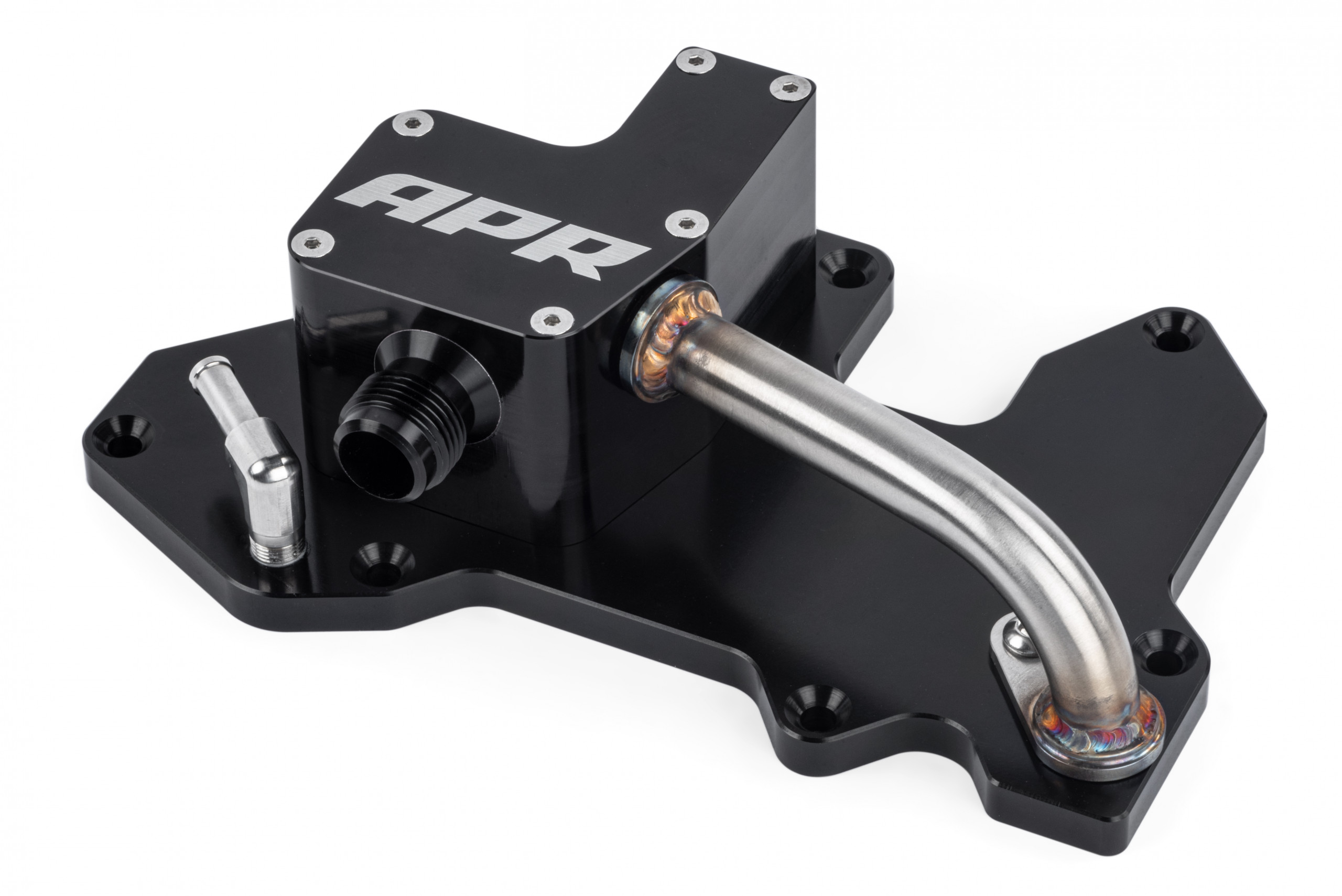
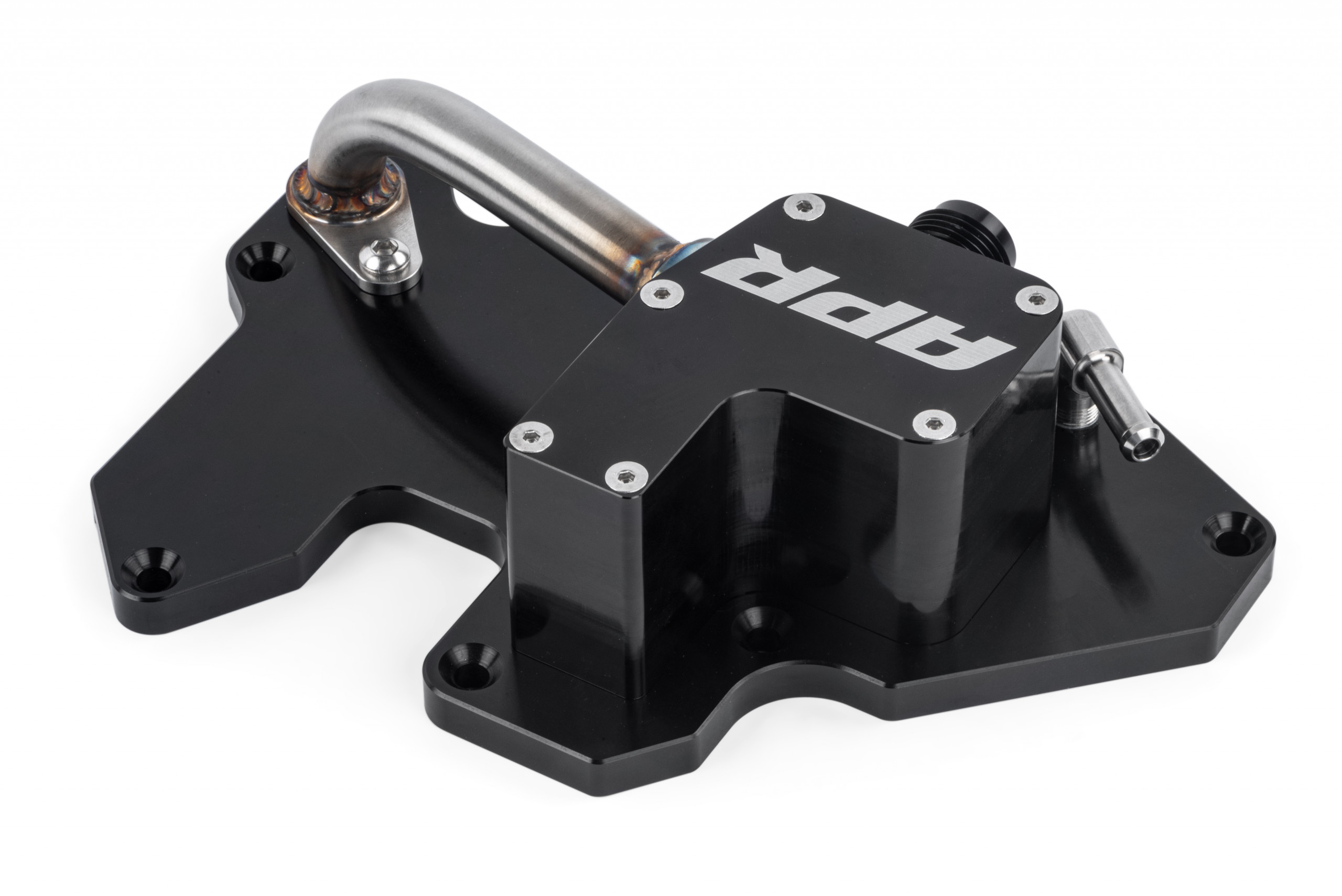
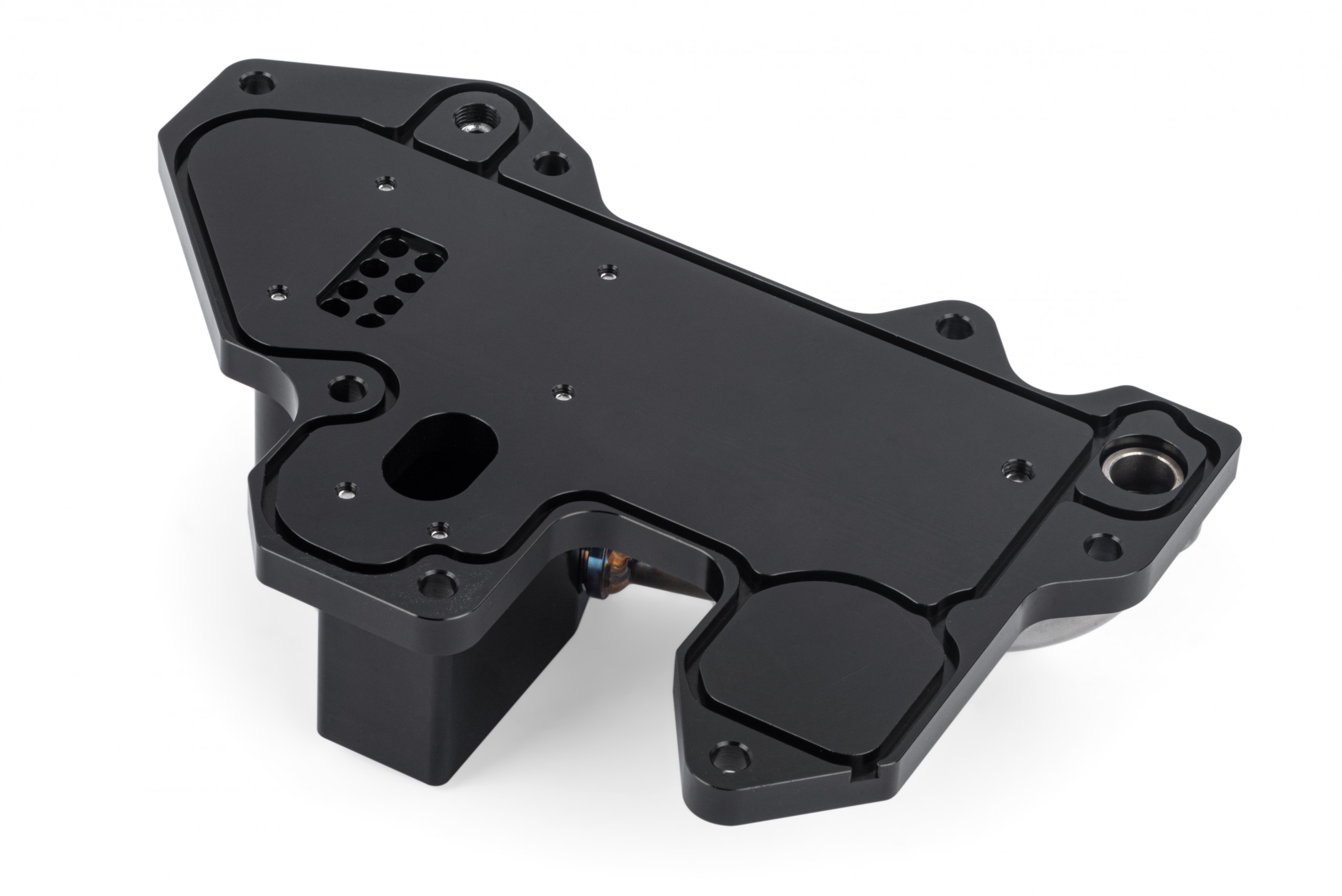
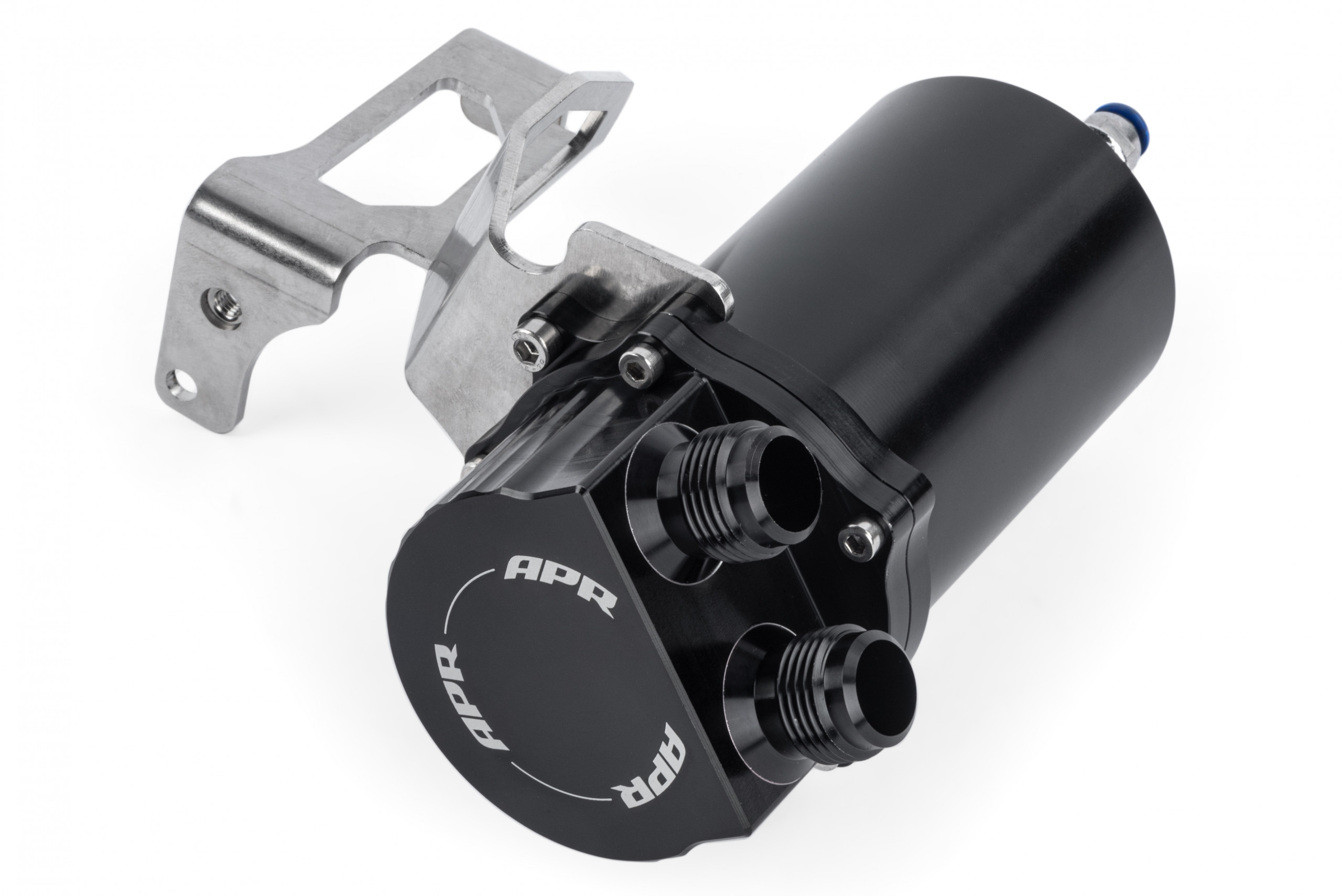
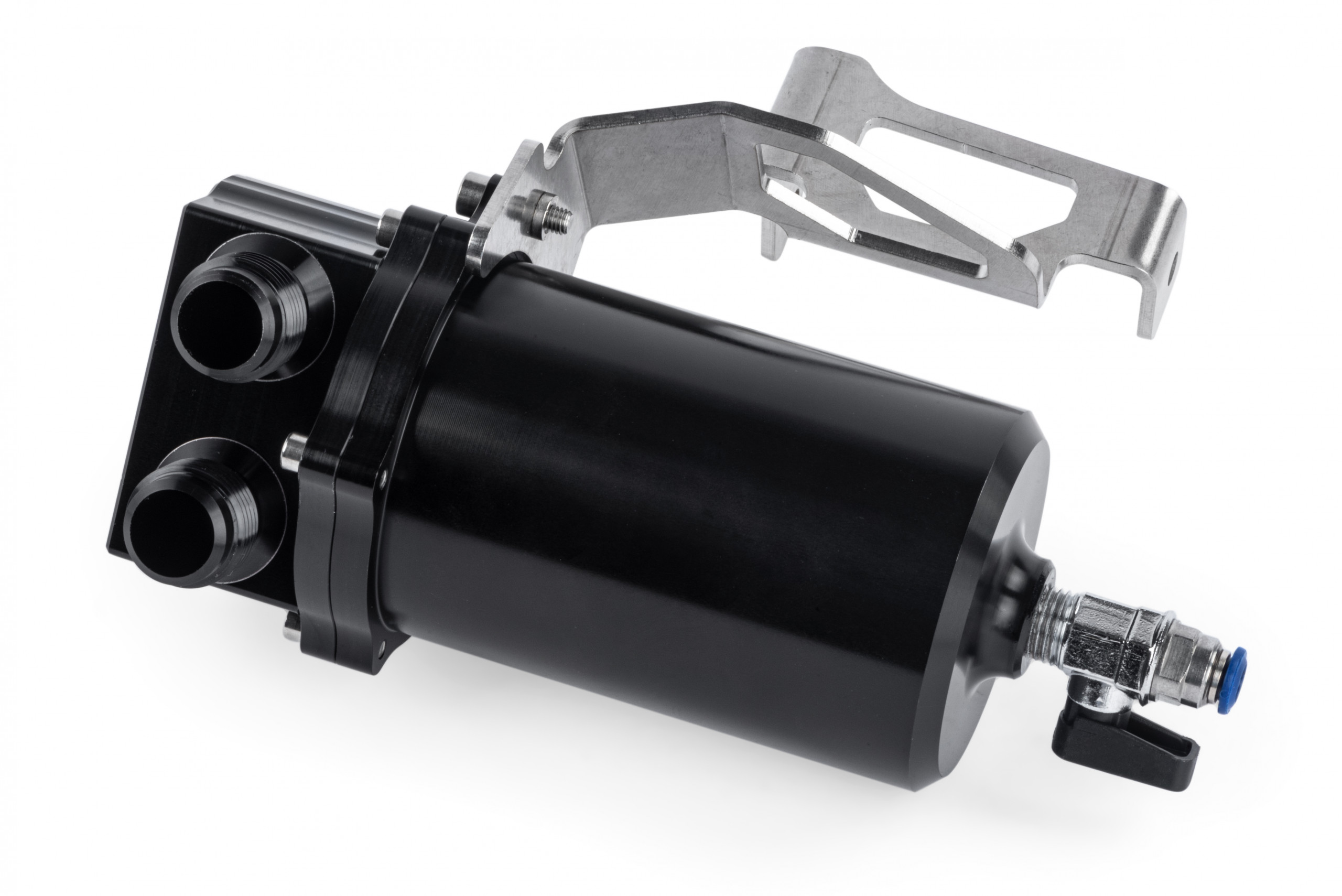
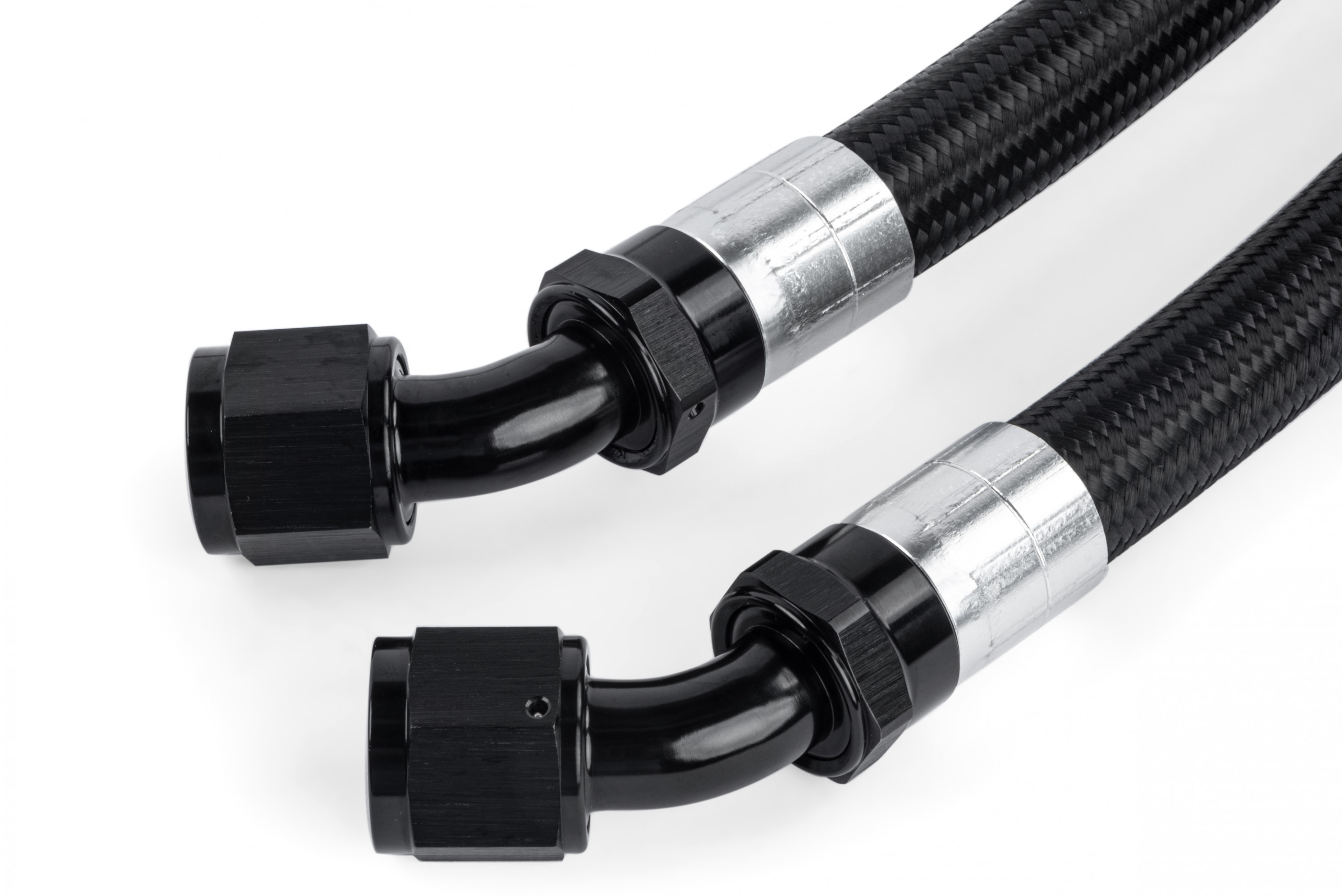
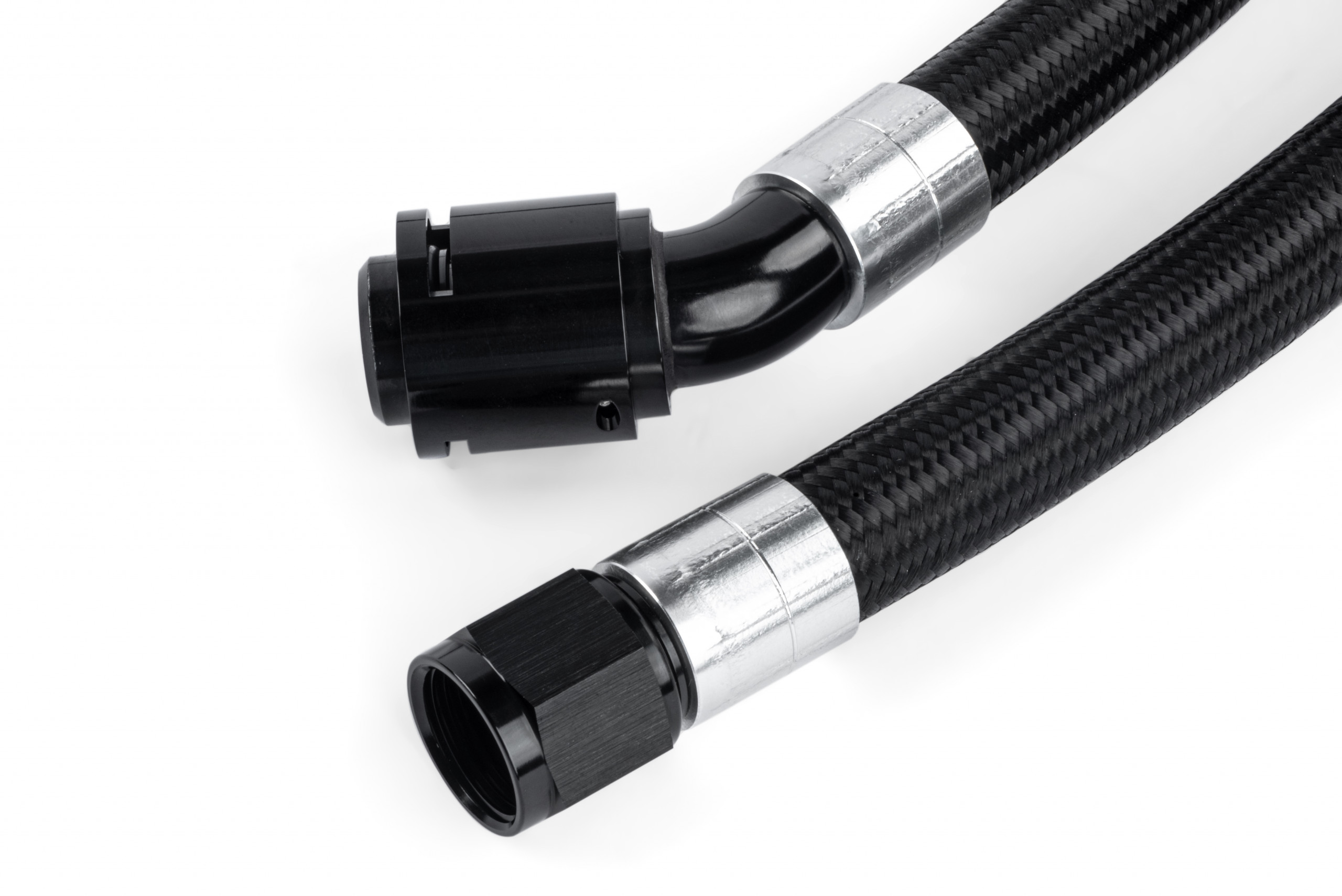
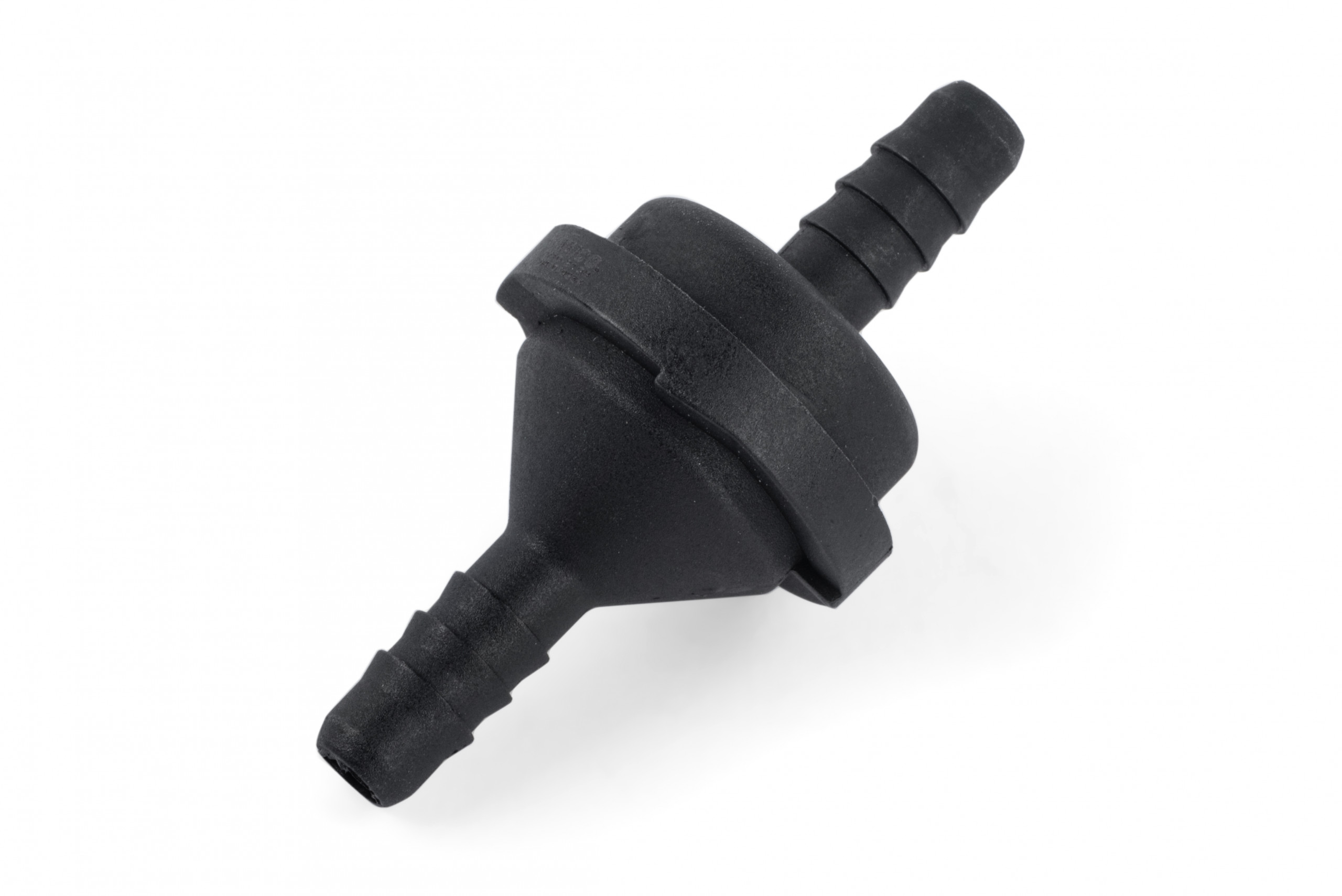
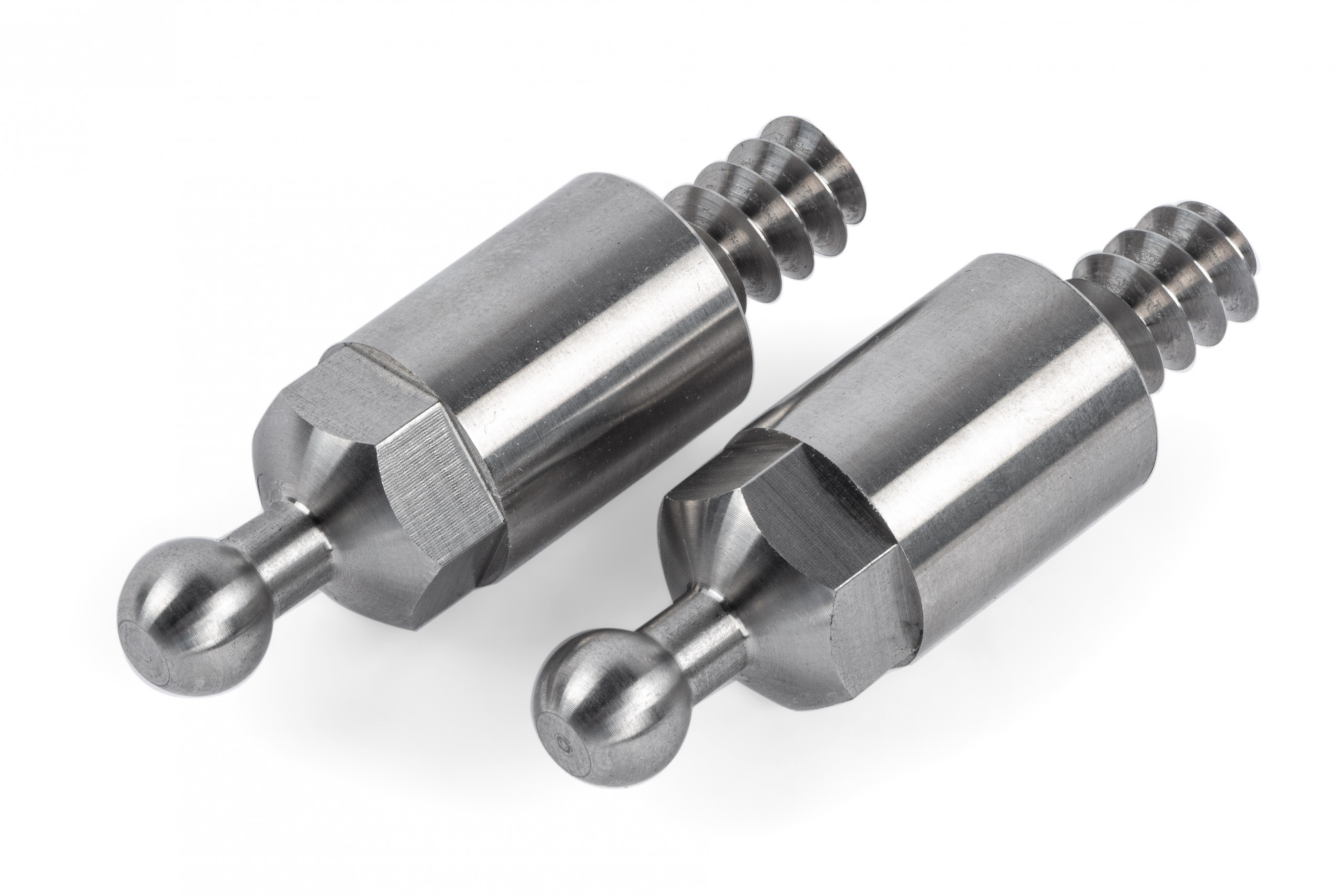
APR Full Catch Can – MQB 1.8T & 2.0T
The Problems
Firstly, when oil is sucked through the PCV system, it ends up in your intake tract. It’s sucked through your turbo, blown through the intercooler, and forced into the engine. Oil coats the intercooler, hoses, and everything in its path. Not only does this cause a mess, it lowers the effectiveness of the intercooler. More importantly, oil vapors lower your effective octane level, leading to performance robbing, and engine damaging, knock. This means less horsepower, and the possibility of engine damage.
Next, boost pressure and extreme heat is applied directly on the diaphragms within the PCV valve, and directly onto the factory activated charcoal filter solenoid, or N80 valve. The diaphragms can fail over time, causing massive boost leaks and over pressurization of the engine crankcase. The N80 valve can’t hold back the pressure, causing a boost leak into the activated charcoal filter. Boost leaks rob you of power, and can lead to over-spinning of the turbocharger. Pressurization of the crankcase causes oil to force past the piston rings, leading to potentially engine destroying localized pre-ignition points on the crown of the piston. Crankcase pressurization also result in blown seals, such as the infamous rear main seal. Each situation is bad. You’ll end up with less horsepower, possibility of turbocharger failure, and possibility engine and component damage.
Lastly, under racing, or hard-driving, and high G-force conditions, excessive amounts of oil can be forced through the system to be consumed by the engine. This goes beyond to light oil, and vapor ingestion discussed above. This is excessive mounts that causes plumes of smoke to pour from the exhaust, and engines to fail due to oil starvation. Oil starvation is a serious condition that can cause engine failures in fractions of a second. Often times when any warning of starvation has occurred, it’s already too late.
Follow Us